

Last month, I sat through a three-hour budget meeting.
Three hours of back and forth. “We need this much.” “We can only give you this much.” “Can we meet in the middle?”
By the end, everyone nodded. Everyone smiled. Everyone left feeling like they’d compromised.
But I left feeling like we’d settled.
Later that week, I was reading Jack Welch’s Winning during my commute. The chapter on budgets made me put the book down and stare out the window.
He had just described exactly what I’d watched happen in that meeting room. And he explained why it was making us all mediocre.
The Two Games Everyone Plays
Welch ran GE for 20 years. He turned it into a global giant. According to him, most companies make budgets in the same two broken ways.
Game 1: The Negotiation Dance
One team sets high targets. The other sets low ones. They argue. They compromise. They meet in the middle.
Everyone feels like they won. But nobody actually did.
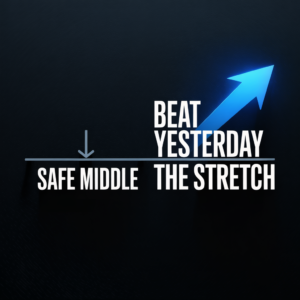
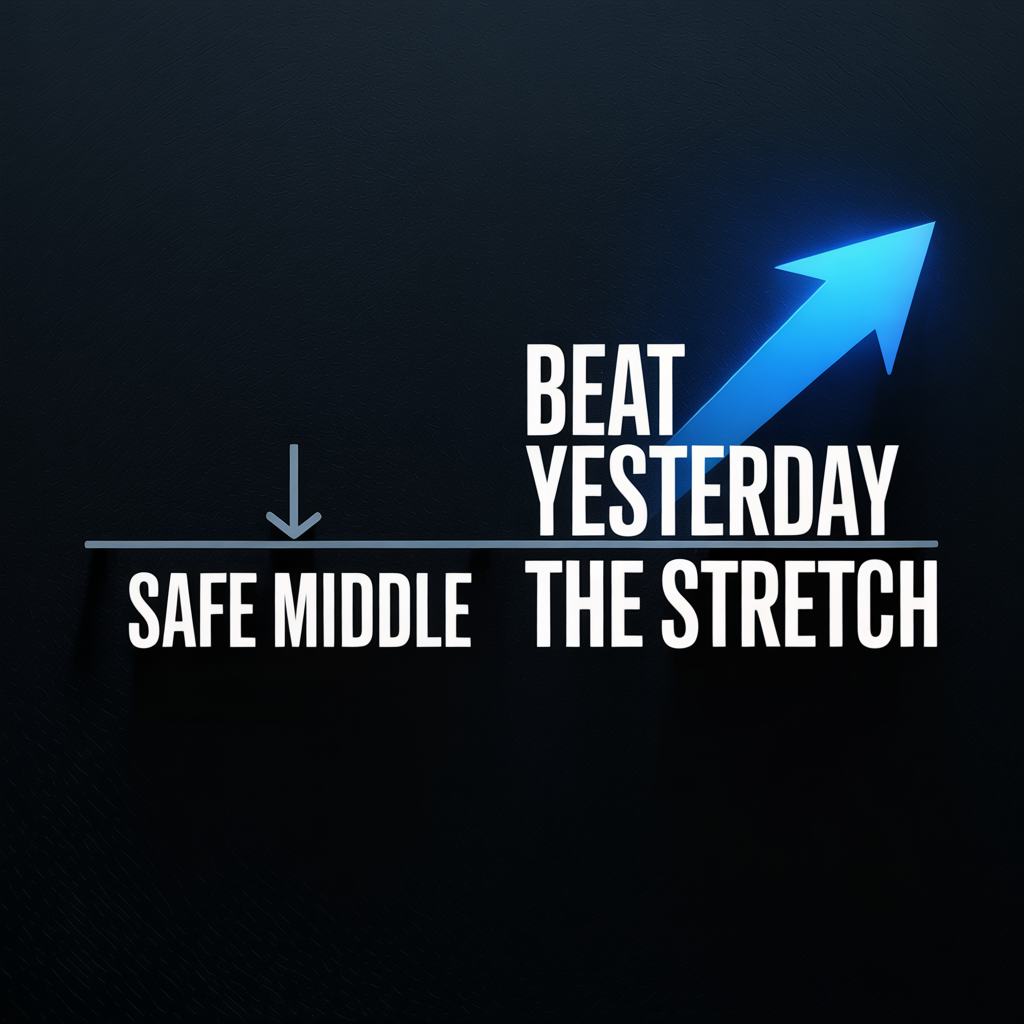
Because the middle is safe. The middle is comfortable. The middle is where nothing extraordinary happens.
I’ve seen this at several places. I’ve done this with my own savings. Set a goal that feels ambitious but not too hard. Then feel good about hitting it.
Game 2: The Polite Smile
Teams present big plans. Leaders nod encouragingly. Everyone leaves feeling heard.
Then the budget comes back. Half the money. Double the targets.
Nobody says it out loud, but everyone feels it: Why did we even bother?
I’ve felt this too. The times I’ve planned something — a side project, a savings goal — only to realise I didn’t actually have the resources I thought I did. The feeling of being set up to fail is crushing.
The “Stretch” Method
Welch threw out both games. Instead, he asked his teams two simple questions:
- How can we beat last year?
- What is the competition doing, and how do we beat them?
That’s it. No negotiation. No middle ground. No polite smiles hiding impossible targets.
Just: beat yesterday.
He called these “Stretch” targets. Goals that made you uncomfortable. That pushed you past what felt safe. And GE didn’t just meet them. They exceeded them.
Applying “The Stretch” to My Wallet
I work in finance. But with my personal budget? I’d been playing Game 1 for years.
“I’ll save ₹10,000 this month.” “Okay, maybe ₹7,000 is more realistic.” “Let’s call it ₹5,000, and I’ll be happy.”
Safe. Comfortable. Mediocre.
So I tried Welch’s questions on myself.
1. How can I beat last month?
Not by a lot. Just beat it. Last month I saved ₹5,000. This month, can I save ₹5,500? Even ₹5,200?
Suddenly, I’m not negotiating with myself. I’m competing with myself.
2. What are others doing that works?
I started paying attention. A colleague meal preps on Sundays. Another friend cancelled subscriptions he had forgotten about. Someone else found a better bank account with higher interest.
Small things. But they added up.
Consistency Beats Comfort
For two years now, I’ve cut fresh fruit every morning. Packed them. Made my juice.
It takes 15 minutes. I could skip it. Buy pre-cut fruit. Order juice. But I don’t.
Because those 15 minutes allow my consistency to beat my comfort.
I don’t negotiate with myself about it. “Should I do it today? Maybe just buy juice this once?”
I just do it. Every day. And every day, I beat yesterday by showing up again. That’s the mindset Welch was talking about. Not giant leaps. Not impossible targets. Just: can you beat yesterday?
Stop Negotiating With Mediocrity
You don’t need to run GE to use this thinking. You just need to stop settling.
Stop setting goals that feel safe. Ask instead:
- Can I beat yesterday? Even by a little?
- Can I learn from someone who’s doing it better?
- Can I challenge one assumption I’ve been carrying?
I’m not saving huge amounts more than before. I’m not suddenly rich. But I’m not comfortable either. And that discomfort? Its growth.
Every month, I’m beating last month. By small amounts. By ₹500 here, ₹1,000 there.
But I’m beating it. And that feels different from settling. That feels like winning.